At sea with technology
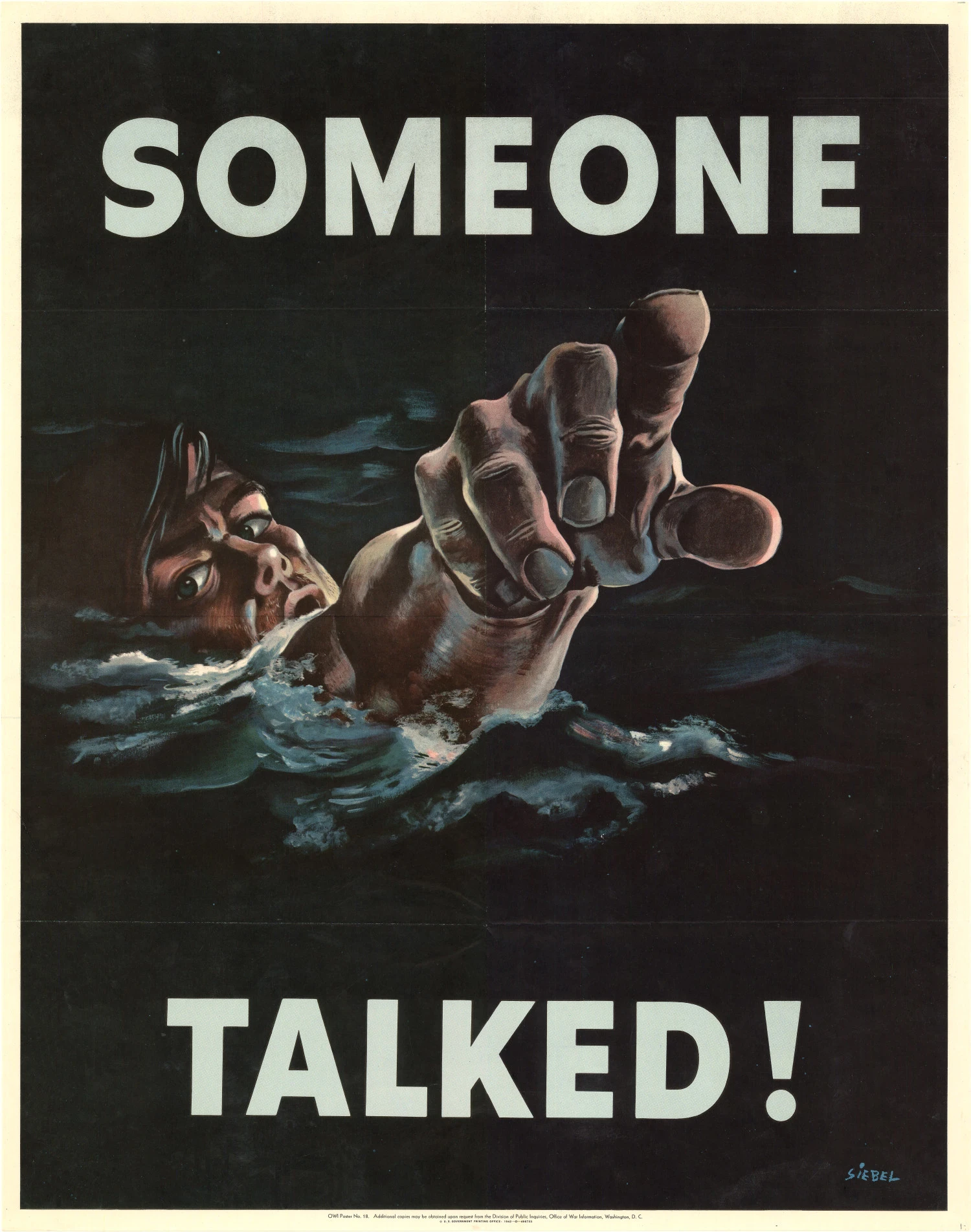
Figure 1: "We may have all come on different ships, but we're in the same boat now." – Martin Luther King
In a story this week, apparently a Bluetooth tracker was hidden in a postcard and mailed to a warship. An electronic greeting card costing a few quid "put a $585 million Dutch Navy ship, along with the entire carrier strike-force it was travelling with, at risk while it was tracked for 24 hours."
The article on Tom's Hardware was saddening and worrying, not because of what it described but because of what it omitted. The piece lacked analysis. It entirely missed the main point and had a general air of glib acceptance and technical passivity.
Okay to be fair Tom's Hardware isn't Foreign Affairs or Jane's Weekly. Indeed I think the publication, as writers or editors, deliberately avoided the key issue and dumbed-down the commentary because the inevitable conclusion is that in this case the military adversaries of the Dutch Navy are Samsung, Apple and Amazon, two US American and one South Korean threat actor.
Only we're 'not allowed' to call them "threat actors" despite the clear and present threat they pose. Isn't that worth examining by curious minds?
The real story emerged in the readers comments who are presumably more technically astute than Tom's Hardware staff writers.
One comment nailed it; "Bluetooth has a range measured in tens of feet. Why are phones with AirTag tracking enabled allowed at military posts at all?"
Let's be clear; The Bluetooth tracker was one small part of a threat. If we want to locate the threat closer than Apple and Samsung then it came from hundreds of sailors who, a few decades ago would have been taken out, shot and thrown overboard for concealing radio transmitters for signalling to the enemy. And yet, a few decades ago they wouldn't have been that stupid.
Is it fair to call them stupid?
Perhaps stupidity is the wrong accusation. Today, having a smartphone, and the culture of entitlement around it, has become so entrenched that commanders of a warship - effectively its own legal jurisdiction - dare not challenge it.
That's not stupidity, its fear.
Further, consumer technology has become so opaque that the highest levels of military command and intelligence advisers have relinquished actionable understanding.
That's not stupidity. It's surrender.
This is not a criticism of the military going soft. It's a two way street in which a softening of military culture is mirrored by a militarisation of civilian space.
As a few examples;
Obviously at a swimming pool phones are banned to stop perverts and paedos filming. Especially these days with Elon Musk's software for undressing random strangers, it's a concern to any parent to see adults holding up their phones near their kids. Yet despite prominent signs prohibiting phones at a local pool, the staff are overwhelmed and intervene reluctantly. When they do ask people to put their phones away they often receive abuse and threats.
A similar problem exists with 'glassholes' - antisocial inadequates who wear camera glasses in normal public life. The fact that these perv devices are deliberately disguised to conceal what they are is a psychological giveaway. Don't get me wrong, these are great devices for undercover journalists, police work or spies. An associate working for Which magazine just completed an undercover investigation into clinics offering cosmetic surgery to underage teenagers. As a 14 year-old she filmed doctors up close offering lip fillers and other face surgery. (These doctors are breaking the law). But what does it say about a person who wears covert spywear all day as a matter of routine? Walking in the street? In a restaurant? At work where there are sensitive documents?
Last summer we had some problems at my local beach with (usually young men) flying camera drones over sunbathers. Sometimes it's just some lads standing on the beach and "innocently enough" having fun. After all, there are also people flying kites on the beach. But the more sinister operators fly their drones from cars parked on the clifftop some distance away.
It perhaps escapes them that these devices are weapons, and this is where they share the same ignorance of technology with the Dutch Navy. There is a widespread general ignorance around technology as a proliferation of advanced, offensive military technology into civilian life. There is a general entitlement to carry around and use potentially offensive devices anywhere and everywhere in public.
This has some roots in normalisation of surveillance, as cameras became an epidemic through the spying of local councils, police, supermarkets, and eventually every single doorbell and car on the road. It's a result of the normalisation of using third party commercial big-tech for sensitive tasks, in our schools and hospitals, and buying technology from foreigners or criminals who openly sell private data. It's a result of opaque proprietary software and getting comfortable with the idea that you don't really know what any of your technology is doing.
One cannot consistently assert that "privacy is dead" and then complain that everyone knows where your warships are, who your undercover agents are, what your strategies and plans are.
Personal privacy is continuous with commercial confidentiality and military secrecy. You cannot have one without the other in a world where technology dissolve boundaries.
The root of the problem lies not in the technology but in psychological entitlement and the abandonment of values for their moral basis. It's the idea that we can have one rule for some, and different rules for others, and it's okay for me to do something, but not okay for you. That is simply the psychology of abusers, authoritarians and anti-social sorts, and they don't like it when it comes back and bites them.
If I asked you, the last time you were in a business meeting discussing sensitive strategy, trade secrets, and confidential supplier info, how many people sitting around the table were spies? A fair answer might be "half of them". Though many were unwitting spies, some were complicit, and most committed contributory negligence through total lack of cybersecurity awareness. How many serious businesses allow smartphones into meetings? How many allow laptops running Microsoft Recall or cloud speech transcription?
Jeremy Bentham's conceit of the "panopticon" was silly and really applied only to a novel piece of architecture. When you stare into the technological abyss it stares back at you. A little understood facet of information warfare is how technology affects surprising power symmetry. Every radio to report home is a beacon for the enemy to triangulate your position. Every tool you build to spy on others becomes a tool to use against you. You do not get to only be the spy. The rest is your decision about what sort of society you want to live in and the Kantian moral choice of what harms you would like done to you?
To be fair, why would anyone moderate their own spying on others when, in Britain at least, they're on 5 or 10 cameras with every public step they take!? We've set ourselves such a poor example, and tolerated surveillance as abuse for so long, it no longer registers. There is no strategic or civil limitation of surveillance devices, and no authorities have the courage to address the issue.
The article opines; "New technologies have always been a problem for many militaries and security forces". That's a lame truism. Actually, new technologies have always been a problem for civilians and everyone in general.
At every step of the way your own justification makes perfect sense, to you. The interesting place to look is; Who are the people for whom unrestrained irresponsible use of technologies are not considered a problem? And are you one of them? Who defends and allows their own convenience and power to impose an externality threat to others - such as their crew-mates, fellow diners at the restaurant, children at the swimming pool or just all their neighbours in the street?